
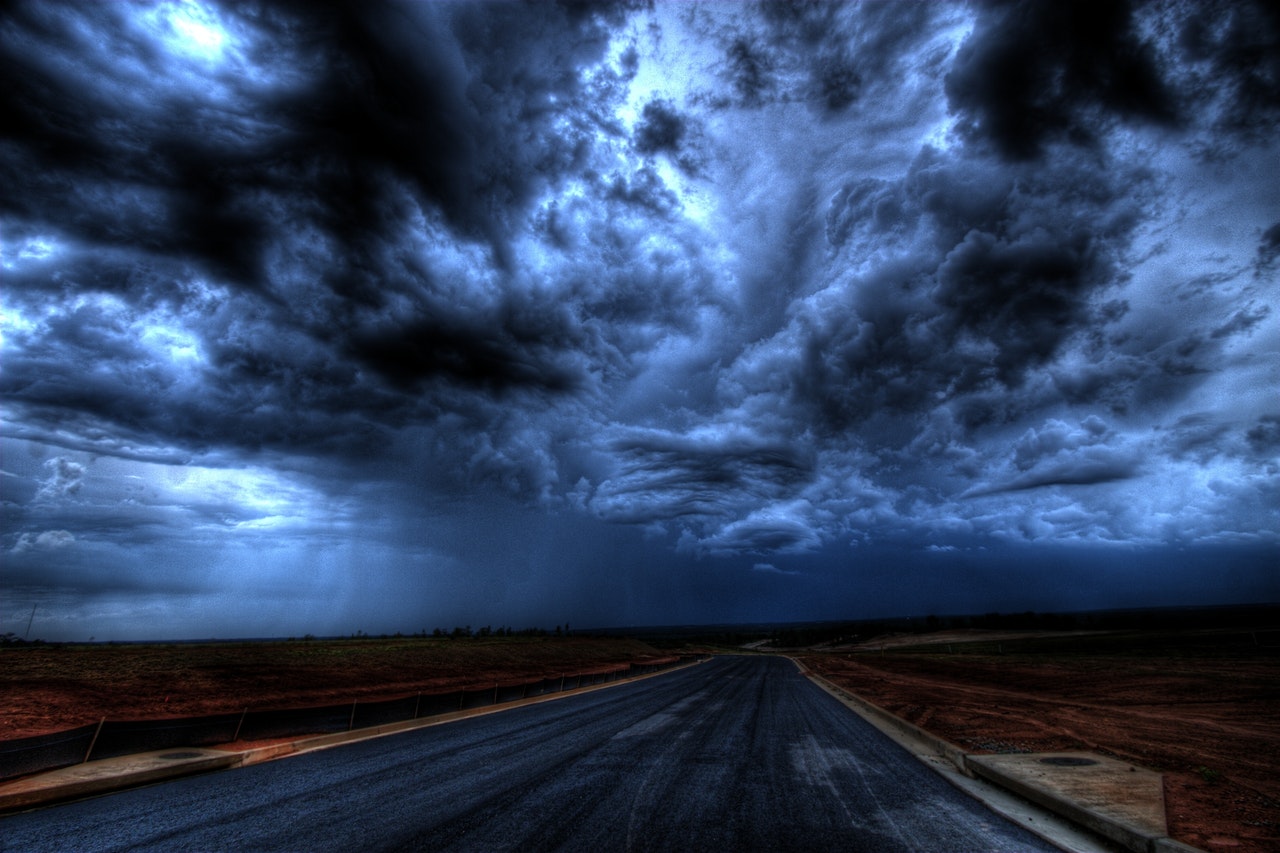
What does the “great darkness” represent that came upon Abram?
(Genesis 12:1-3; 15:7-18; 17:1-14; Rom. 4:13) Blog Apr. 18-24, 2021
Prepared by Richard A. Marin: Present Truth PO Box 700, Fallbrook CA 92088-0700 USA
REVIEW: Covenants are made to establish intimate relationships. God made a covenant with Adam before the fall. When Adam broke that covenant God immediately offered humanity a new covenant that included a promised Seed through whom redemption would come. God could do this only because before the foundation of the world the Father and the Son had made a covenant of peace in behalf of humanity. In it the Father promised a perfect bride for the Son and the Son promised to be substitute and surety for the bride should she fall from perfection. When sin entered this earth Jesus immediately stepped in between humanity and eternal annihilation. The following is a continuation of our “Covenant Catechism.”
Q. How is a covenant made?
A. A covenant is entered by making solemn promises under oath to one another (Gen. 21:31, 32; 26:28).
Q. Besides making promises what other factors are involved in making a covenant?
A. Making a covenant also involves witnesses (Gen. 31:50); a sign or monument of the covenant is accepted (Gen. 31:45-48); there are curses demonstrated by offering sacrifices (Gen. 31:54); and generally the parties and witnesses spend time together while eating a meal (Gen. 31:54).
Q. Why must witnesses be present?
A. Witnesses are employed to remind the parties of their promises and to testify in future covenant disputes that may arise between the parties or in relation to those outside the covenant.
Q. What is the purpose of a sign?
A. A sign is an outward symbol and acts as a constant reminder that a person is under covenant bond.
Q. What forms may a sign take?
A. A sign may be an object, a monument, a period of time, or a repeated action.
Q. Why are blood sacrifices offered when making a covenant?
A. Blood sacrifices symbolically depict the death of the covenant maker and/or breaker, which is what each party accepts as their due should they break the terms of the covenant (Gen. 31:54; Heb. 9:16).
Q. What does the covenant meal represent?
A. The covenant meal represents mutual acceptance and ongoing fellowship by the covenant parties and their witnesses.
Covenant Precursors (Genesis 12:1-8; 15:4-7)
1. How did God intervene when after the flood men disbelieved God’s promise and joined together to make a high tower? God confused the languages of the people causing them to scatter over the earth.
2. Before Abram came to Canaan what covenant proposal did God make with him? God told Abram that he would make a covenant with him at some future time & told him to leave his native land & go to Canaan.
3. How did Abram acknowledge his need of a Savior when he came into the land of Canaan? He built sacrifice altars wherever he went.
4. When God assured Abram that a child born to him would be his heir and that his seed would be as the stars, what was Abram’s response? Abraham believed God & God counted it to him for righteousness.
5. What deliverance does God claim to have made for Abram before entering into covenant with him? God tells Abram that it was he who brought him out of Ur of the Chaldees to give him the land of Canaan.
Covenant assurance (Gen. 15:7-21; Ex. 19:18; 20:21; 2 Sam. 22:29; 1 Kings 8:12; Psa. 18:11; 119:105; Isa. 31:9; Rom. 4:13; Gal. 3:16)
6. What question did Abram ask God in relation to his promised inheritance? Abram asked God for some form of assurance that he would inherit Canaan.
7. What did God give Abram as an assurance that he would inherit Canaan? God made a covenant with Abram as proof that he would fulfill his promise of an inheritance for Abram.
8. Why did God ask Abram to cut animals in half and lay them in two rows? To show the seriousness of the covenant he would make, accepting death should he not keep his promise.
9. What does the “great darkness” represent that came upon Abram after dividing the animals? The “great darkness” represents the presence of God as at Mount Sinai.
10. When God made his everlasting covenant with Abram who walked between the divided animals? God the Father (“a smoking furnace”) & God the Son (“a burning lamp”) walked between the pieces covenanting to fulfill the promises made to Abraham.
11. What insights does the Apostle Paul give in regard to the Abrahamic covenant? Paul says that Jesus was Abraham’s “seed” to whom the promises were made & the promise was to inherit the whole world.
Significant Names (Genesis 17:1-16; Ex. 3:14; Isa. 13:6; Joel 1:15)
12. With what meaningful words did God come to Abram after the birth of Ishmael? “I am the Almighty God; walk before me, and be thou perfect,” pointing out that he was still able to fulfill his promise through Sarah & infertile Abraham.
13. What new name did God give Abram in Genesis 17? God gave Abram (exalted father) the name Abraham which means father of a great multitude.
14. What sign did God give Abraham for the everlasting covenant he made with him? The sign of circumcision.
15. How seriously did God consider the covenant sign he gave to Abraham? God considered the sign so serious as to equate not taking it equal to breaking the covenant, resulting in expulsion from God’s people.