
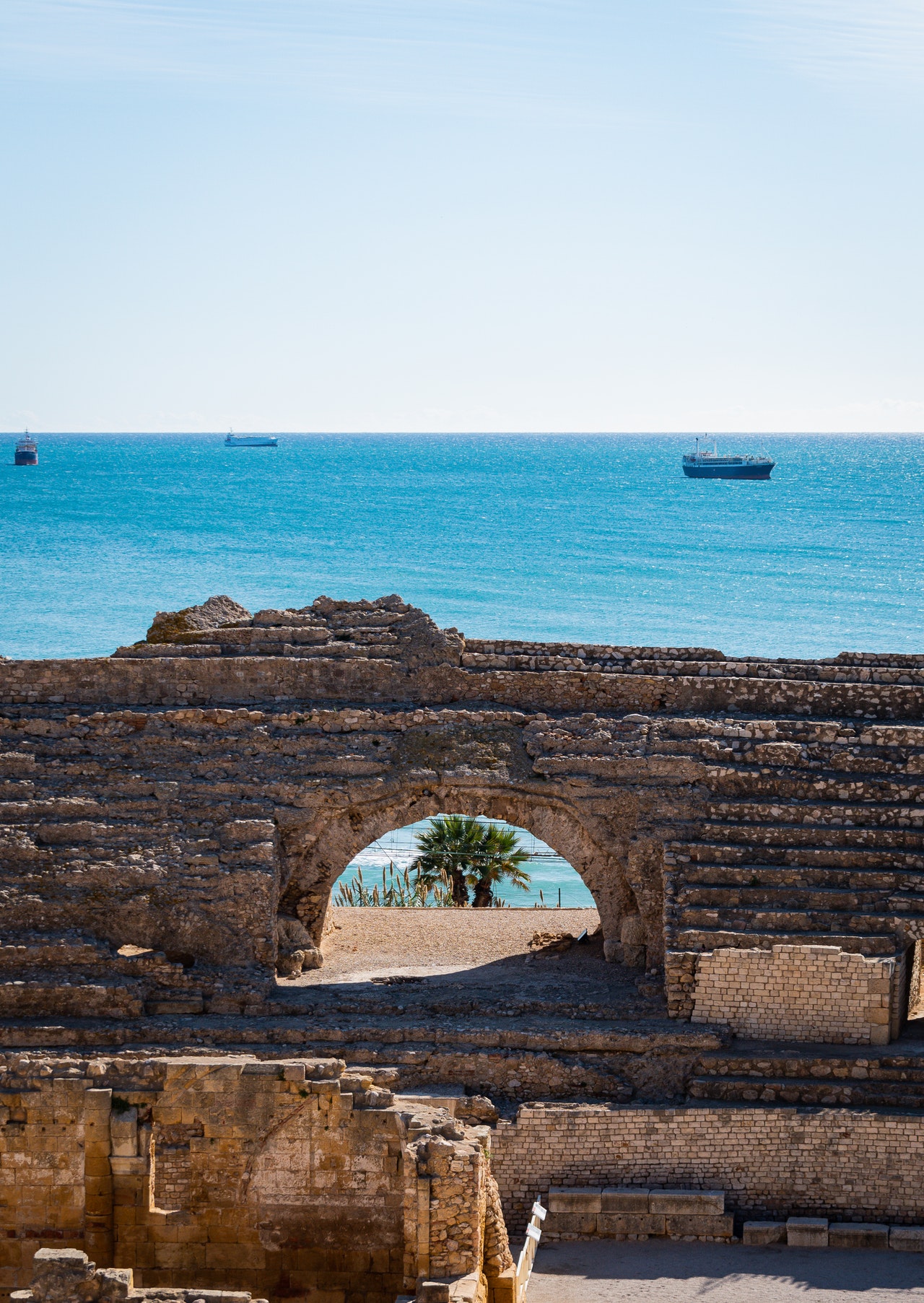
13. What did Rabshakeh hope to accomplish by shouting his message to the people on Jerusalem’s wall?
(Isaiah 36-39; 2 Kings 18:1-12; Chron. 32:1-8; 95:1-8) Blog Feb. 07-13, 2021
Prepared by Richard A. Marin: Present Truth PO Box 700, Fallbrook CA 92088-0700 USA
REVIEW: Isaiah God confronted the hypocrisy of God’s covenant bride, calling heaven and earth as witnesses of the loss of her first love. He also pointed to pride as the origin of evil in heaven that also infects all God’s creatures on earth. Although God promised to punish the unfaithfulness of his covenant partner, he also promised to send her a Divine Deliverer through whom “a very small remnant” would be saved by means of his delivering judgment. If God’s people would plead for his forgiving mercy, they would become his wedded spouse forever.
Judah’s Rise (2 Kings 18:1-12; 2 Chron. 29:1-5; 30:1; 31:1, 4; 32:1-8)
1. What had King Ahaz done for worship in Judah? He had cut in pieces the vessels & shut up the doors of the house of God, erecting altars & high places all over Judah for the worship of other gods.
2. When Hezekiah, the son of Ahaz, began to reign what did he do for worship in Judah? In his first month he opened & repaired the doors of the house of God & restored the priests & Levites to their office commanding them to remove all the filthiness out of the holy place. Then he, the rulers, & the people offered sacrifices with singing to God.
3. What long-forgotten feast did Hezekiah next restore? The feast of Passover, & that for all Israel & Judah.
4. After celebrating the feast of Passover what did all the people next do? They broke the images in pieces, cut down the groves, threw down the high places & altars, not only in Judah but also in Israel.
5. For what reason did Hezekiah command the people to bring their tithes and offerings to the temple? So the priests & Levites might encourage & teach the people the law of the Lord.
6. How does Isaiah 31:21 say that Hezekiah did the work of restoring true worship and God’s law? “He did it with all his heart and prospered.”
7. When God’s people return to him in true worship what can they expect? The blessing of God & the opposition of God’s enemies.
8. When King Sennacherib of Assyria invaded Judah what physical preparations for the defense of Jerusalem did Hezekiah make? He sealed the springs outside the city so his attackers would have no water supply & repaired the broken walls, adding watchtowers & a second wall as well as making many darts & shields for the defense of the city & appointed captains over the people encouraging them to trust in God.
9. Why didn’t Hezekiah, instead of doing all this work, just “Let go and let God” defend his city and nation? Because in the area of Christian living (but not in salvation) God expects his people to put forth diligent effort in cooperation with God’s Spirit.
Assyria’s Fall (2 Kings 18:9-12; Isaiah 36:1-22; 37:1-38; 59:19)
10. What reason does Second Kings give for the fall of the northern kingdom of Israel by Assyria in Hezekiah’s sixth year? “Because they obeyed not the voice of the LORD their God, but transgressed his covenant… and would not hear… nor do…”
11. Seven years after eliminating the northern kingdom what did Assyria, under Sennacherib, do? They came against the fenced cities of Judah & took them (especially Lachish whose conquest Sennacherib pictured in his palace).
12. When Sennacherib proposed to conquer Jerusalem what message did he send through his servant Rabshakeh? That God’s people should not trust in Egypt, nor in God to deliver them for Egypt was fickle & the God of Israel nor the gods of the other nations had delivered them from his power.
13. What did Rabshakeh hope to accomplish by shouting his message in Hebrew to the people on Jerusalem’s wall? He hoped to create fear in God’s people & move them to surrender & make a peace treaty with Assyria, deserting Hezekiah’s plan to trust in God.
14. When the news of Rabshakeh reached Hezekiah what did he do? He rent his clothes, covered himself with sackcloth, went into the house of the Lord, & sent messengers to Isaiah the prophet.
15. What message did Isaiah send back to king Hezekiah? God tells him not to be afraid for he would send a blast upon Sennacherib, distract him with a rumor, & he would be killed by the sword in his own land.
16. What did Hezekiah do after receiving more threats by letter from Assyria? He spread the letters before the Lord in the temple & reminded God that he was the only true God & Creator asking God to save them from Sennacherib & his reproaches against the God of Judah.
17. How did God fulfill his promise to silence the blasphemy of Assyria and keep their king from attacking Jerusalem? For his own sake & that of his servant David he sent one angel by night who killed 185,000 Assyrian soldiers camped outside Jerusalem & when Sennacherib went home two of his sons killed him.
18. What famous poem relates the story of Sennacherib’s conquest and fall? “The Destruction of Sennacherib” By Lord Byron.
The Destruction of Sennacherib
by Lord Byron
The Assyrian came down like the wolf on the fold,
And his cohorts were gleaming in purple and gold;
And the sheen of their spears was like stars on the sea,
When the blue wave rolls nightly on deep Galilee.
Like the leaves of the forest when Summer is green,
That host with their banners at sunset were seen:
Like the leaves of the forest when Autumn hath blown,
That host on the morrow lay withered and strown.
For the Angel of Death spread his wings on the blast,
And breathed in the face of the foe as he passed;
And the eyes of the sleepers waxed deadly and chill,
And their hearts but once heaved, and for ever grew still!
And there lay the steed with his nostril all wide,
But through it there rolled not the breath of his pride;
And the foam of his gasping lay white on the turf,
And cold as the spray of the rock-beating surf.
And there lay the rider distorted and pale,
With the dew on his brow, and the rust on his mail:
And the tents were all silent, the banners alone,
The lances unlifted, the trumpet unblown.
And the widows of Ashur are loud in their wail,
And the idols are broke in the temple of Baal;
And the might of the Gentile, unsmote by the sword,
Hath melted like snow in the glance of the Lord.
Hezekiah’s Prayer (Isaiah 38:1-22; 39:1-8; 2 Kings 20:1-21)
19. While Sennacherib delayed attacking Jerusalem and Hezekiah became deathly ill what message did Isaiah bring him? “Set thy house in order: for thou shalt die, and not live.”
20. How did Hezekiah react to Isaiah’s message of impending death? He turned his face toward the wall & prayed to God reminding him that he had always done what was good in God’s sight & wept bitterly.
21. In response to Hezekiah’s prayer what message did God sent through Isaiah? That God had heard his prayer & would heal him using a fig poultice & give him another fifteen years of life.
22. What sign of God’s promise did Hezekiah ask and receive? That the sun move backward ten degrees.
23. What unfortunate action did Hezekiah take when visited by emissaries from Babylon? He showed them all his treasures which later inspired their king to conquer Judah.
24. What other heroes of faith and prayer who like Hezekiah sinned in their old age by emphasizing their own glory rather than God’s will yet be eternally saved? Abraham, Moses, & David.